


Before you leave...
Don’t Miss Extra 5% Off on Your Order
Extra 5% OFF
Use code SALE5 at checkout and enjoy 5% off sitewide.
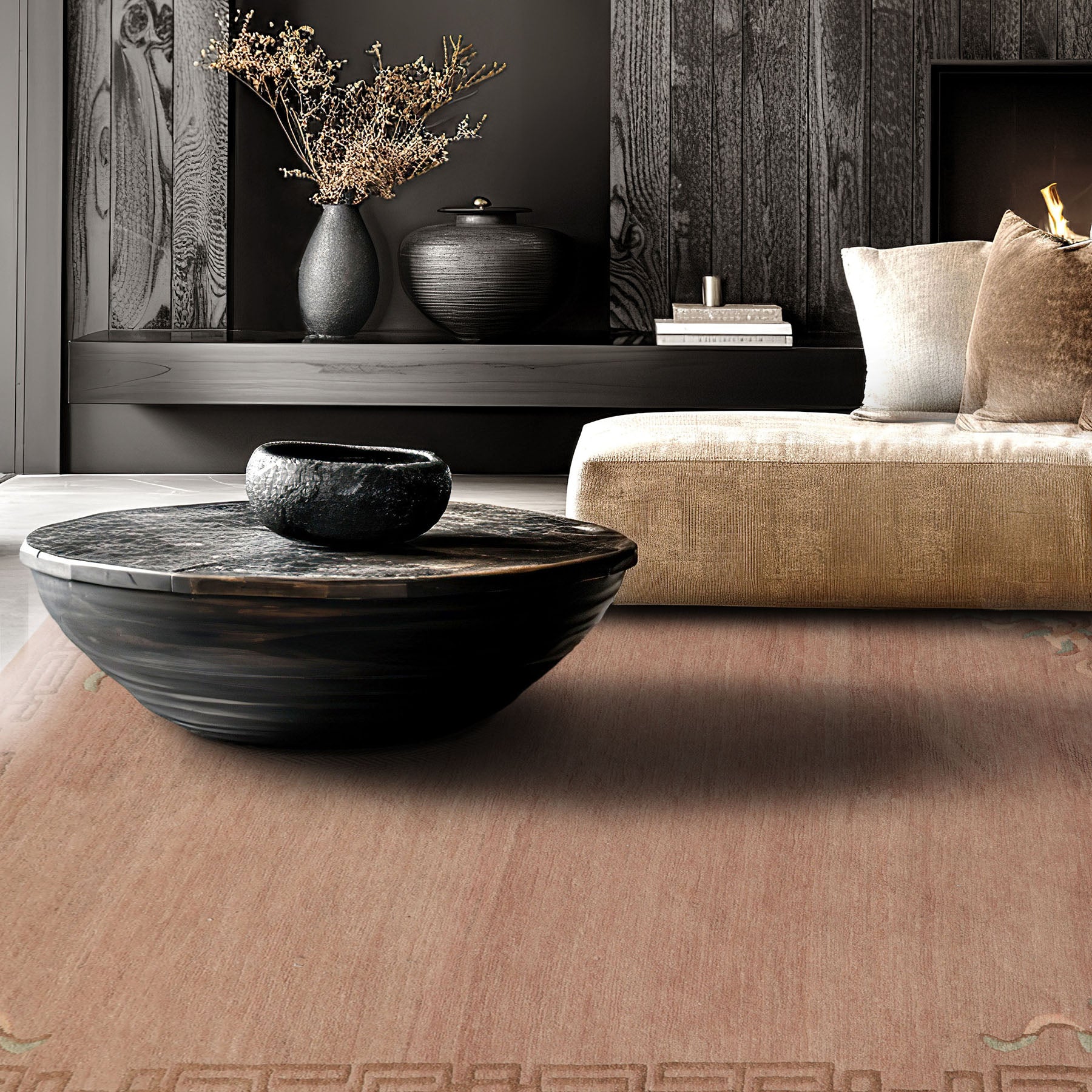
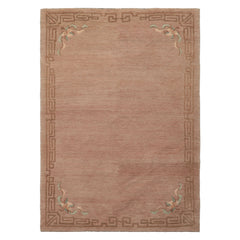
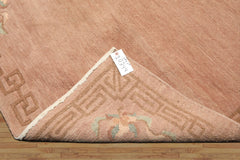
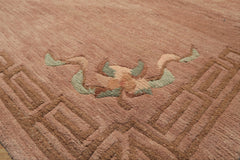
Story Behind the Art : Tibetan rug weaving has developed over centuries as both a functional necessity and an expressive art form, drawing inspiration from spiritual symbols, geometric patterns, mythological imagery, and the surrounding natural landscape. Traditionally woven for monasteries and domestic use, the craft experienced a major transformation after 1959 as Tibetan communities migrated into Nepal and India, leading to a commercial resurgence of rug production. By the 1970s, Tibetan rugs achieved international recognition, with Nepalese artisans trained alongside Tibetan refugees playing a vital role in preserving and advancing the tradition. These rugs are distinguished by the Tibetan knot, a slit-loop technique that produces a uniquely dense, plush pile with exceptional texture. Modern Tibetan and Indo-Tibetan rugs now range from reinterpretations of classical motifs, such as snow lions and branching florals, to contemporary abstract designs that seamlessly connect heritage with modern aesthetics.
Thanks for subscribing!
This email has been registered!
Don’t Miss Extra 5% Off on Your Order
Use code SALE5 at checkout and enjoy 5% off sitewide.


