


Before you leave...
Don’t Miss Extra 5% Off on Your Order
Extra 5% OFF
Use code SALE5 at checkout and enjoy 5% off sitewide.
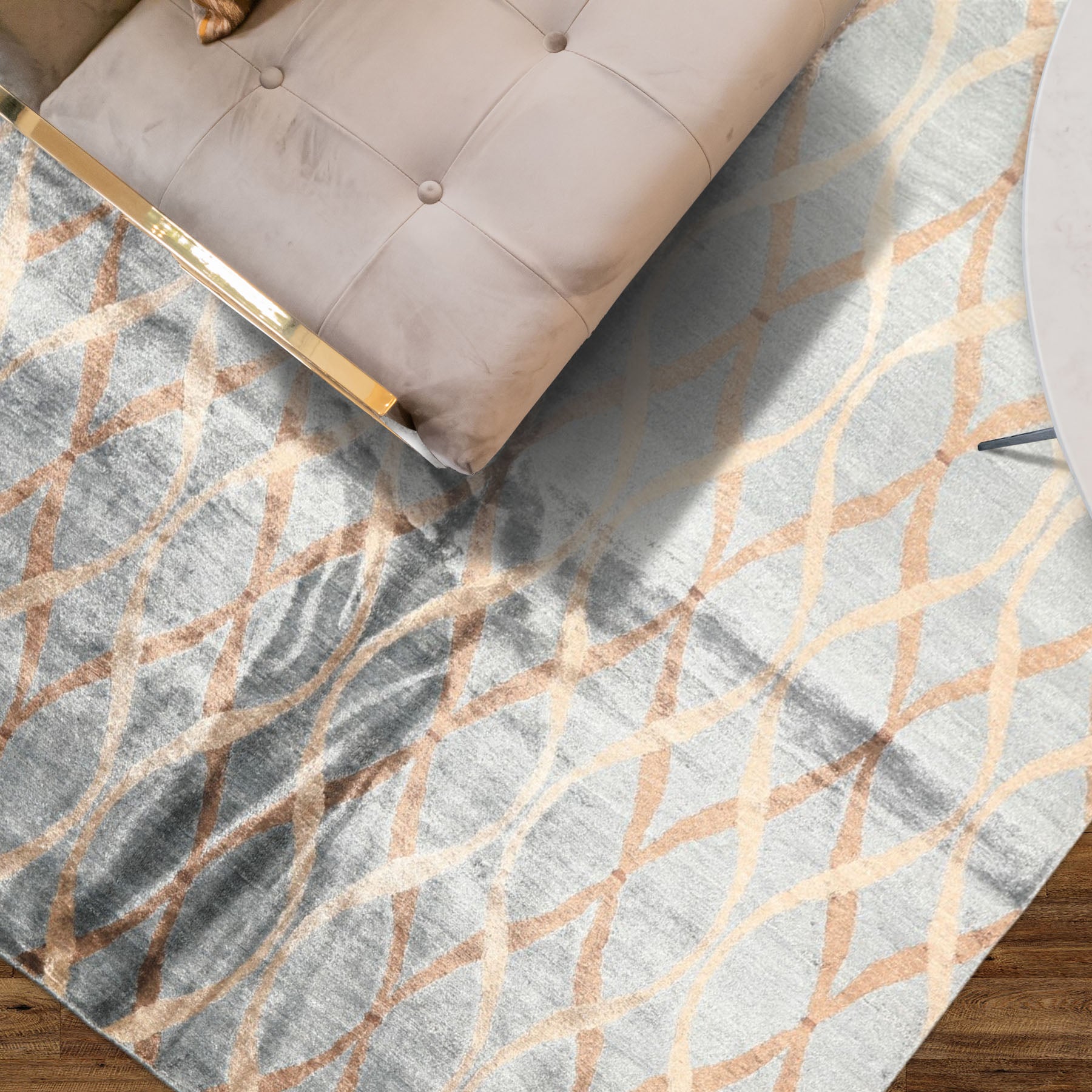
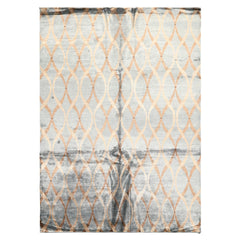
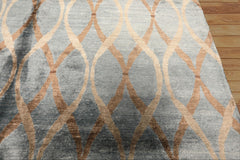
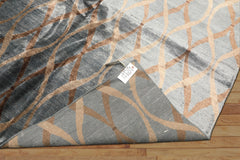
Story Behind the Art: Tibetan carpet making is distinguished not only by its decorative vocabulary but also by a specialized construction technique that gives the finished surface unusual dimension. Traditional weavers developed patterns from cultural symbols, geometric forms, animals, flowers, and elements of the surrounding landscape, translating these inspirations into rugs intended for both practical and decorative use. As Tibetan weaving communities established workshops throughout Nepal and India in the twentieth century, the craft entered a new period of development and gained greater international recognition. The characteristic Tibetan knot produces loops that are later cut, forming a dense and tactile pile. Modern interpretations preserve this technique while exploring everything from traditional imagery to minimalist, free-form, and architectural patterns.
Thanks for subscribing!
This email has been registered!
Don’t Miss Extra 5% Off on Your Order
Use code SALE5 at checkout and enjoy 5% off sitewide.


