


Before you leave...
Don’t Miss Extra 5% Off on Your Order
Extra 5% OFF
Use code SALE5 at checkout and enjoy 5% off sitewide.
 ">
">
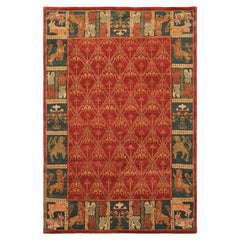
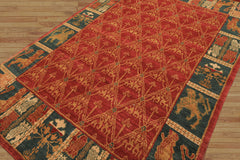
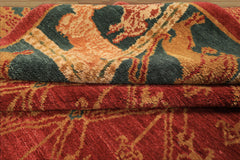

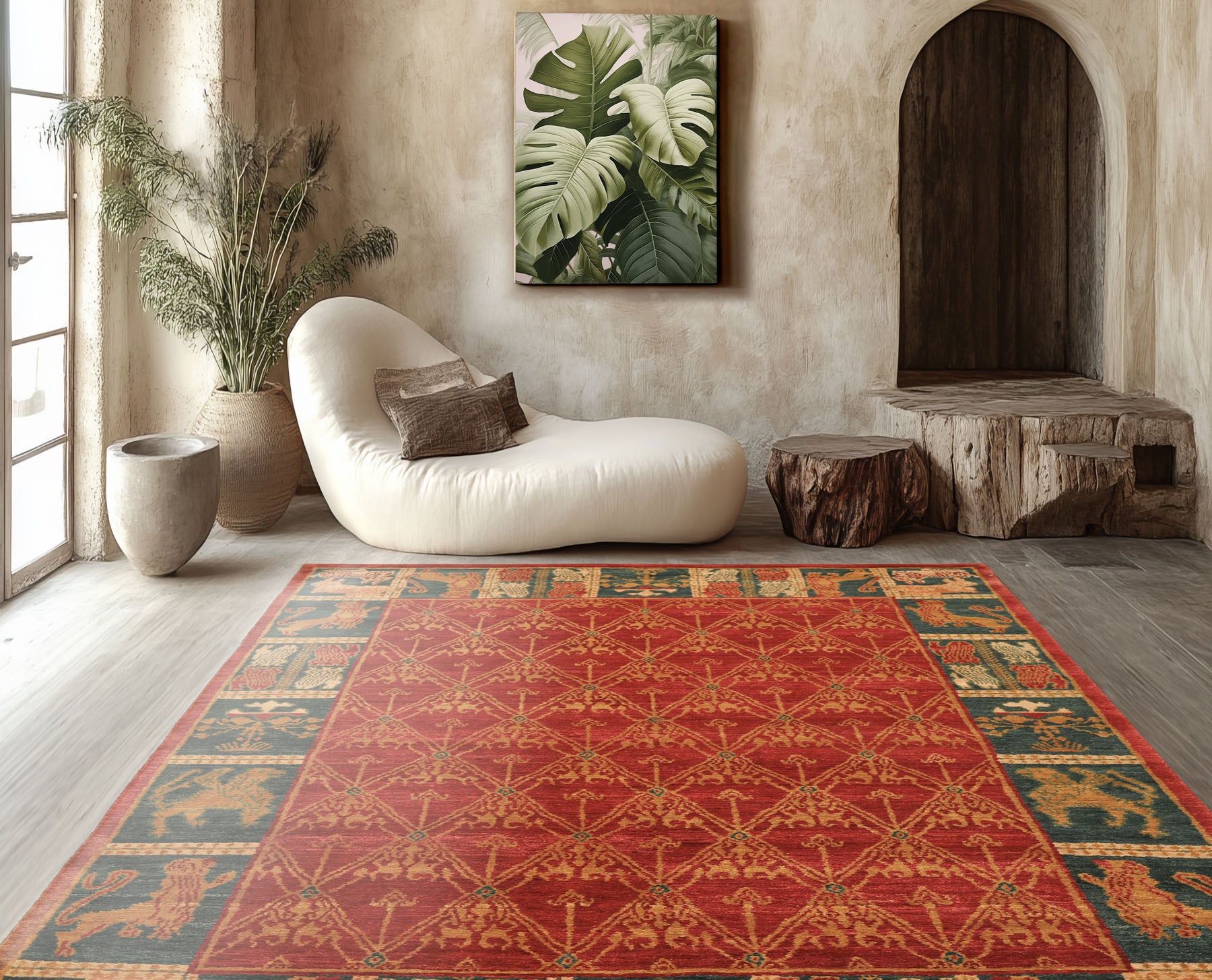
Story Behind the Art: For centuries Tibetans have used rugs for functional, ceremonial, and decorative purposes, drawing inspiration from geometric configurations, Buddhist iconography, mythical creatures, and natural landscapes. Tibetan rug weaving experienced a pivotal resurgence after the 1959 diaspora, when displaced artisans resettled in Nepal and India, ultimately fueling a global revival of the craft through the 1970s. Distinct from the Persian and Turkish knots common across Asia, the Tibetan knot is created by looping yarn around a temporary rod placed across the warps. Once wrapped along the entire row, the loops are sliced open, forming plush pile tufts that give Tibetan rugs their characteristic depth and texture. Motifs traditionally include snow lions, lotus flowers, dragons, phoenixes, and auspicious symbols, many of which reflect the region’s deep Buddhist roots. Today, Tibetan, Nepalese, and Indo-Tibetan rugs encompass everything from classic interpretations of historical motifs to highly contemporary free-form patterns.
Thanks for subscribing!
This email has been registered!
Don’t Miss Extra 5% Off on Your Order
Use code SALE5 at checkout and enjoy 5% off sitewide.


