


Before you leave...
Don’t Miss Extra 5% Off on Your Order
Extra 5% OFF
Use code SALE5 at checkout and enjoy 5% off sitewide.
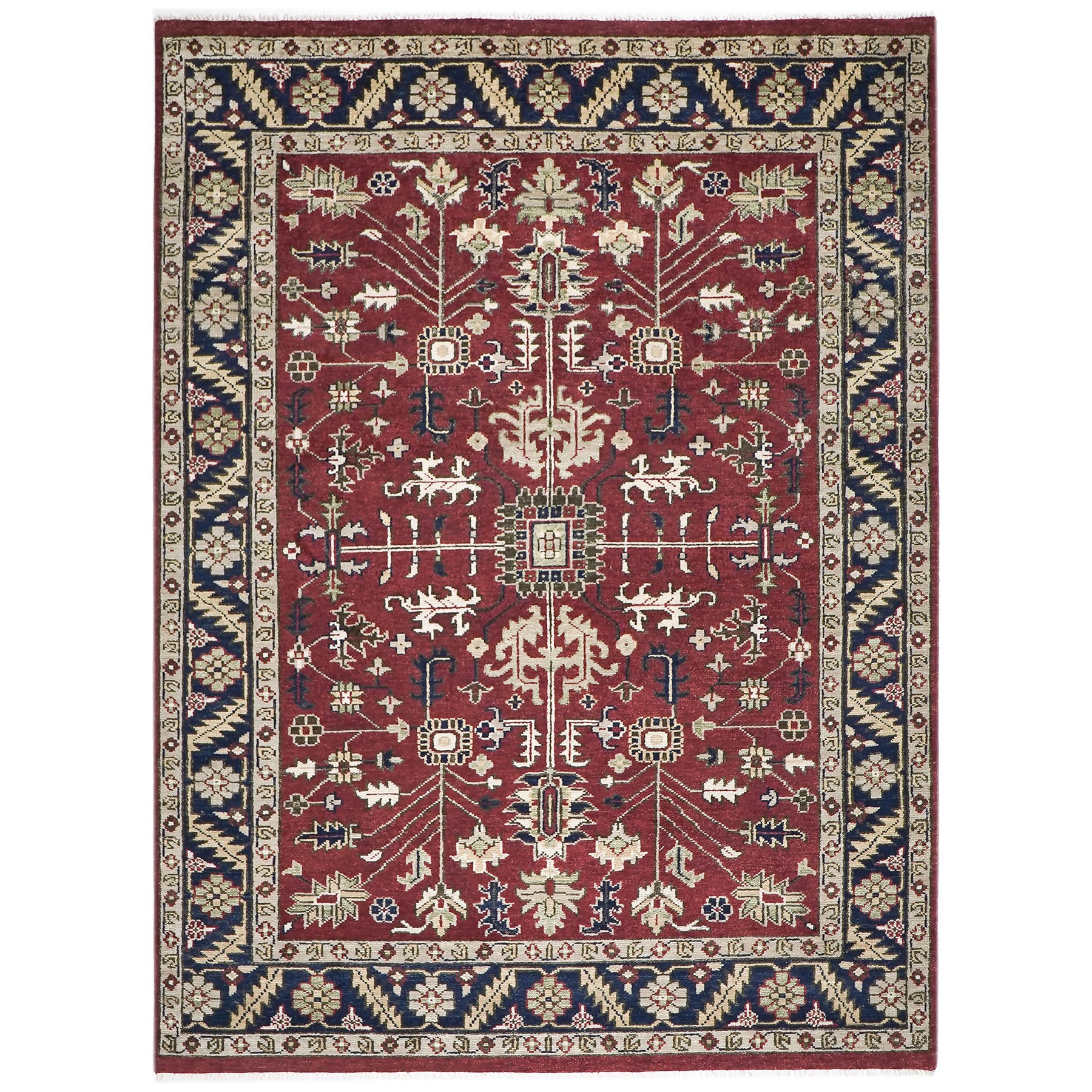
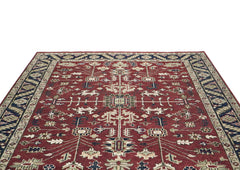
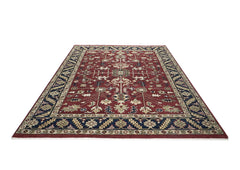
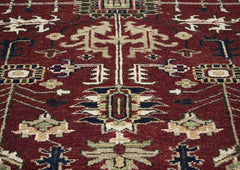
Story Behind the Art: Traditional rugs carry a heritage that stretches back thousands of years to renowned weaving regions across Persia, Central Asia, India, Anatolia, and the Caucasus. Originally crafted as practical textiles for warmth, prayer, and ceremonial use, these rugs gradually evolved into refined artistic expressions shaped by culture, symbolism, and skilled handwork. While each region developed its own visual identity, they shared a dedication to symmetry, balance, and precision. Traditional designs are typically structured, featuring central medallions or repeating floral fields framed by ornate borders. Motifs such as palmettes, vine scrolls, rosettes, and arabesques are arranged in rhythmic harmony, creating a sense of order and continuity. Color palettes lean toward rich yet grounded tones—ivory, indigo, gold, rust, and deep browns—that bring warmth and visual depth. Hand-knotting remains essential to this tradition, allowing intricate detailing and long-lasting durability, while medium to low pile heights help preserve crisp pattern definition. Appreciated for their craftsmanship and timeless appeal, traditional rugs continue to anchor classic and transitional interiors, offering lasting beauty, history, and decorative richness that remains relevant across generations.
Thanks for subscribing!
This email has been registered!
Don’t Miss Extra 5% Off on Your Order
Use code SALE5 at checkout and enjoy 5% off sitewide.


