


Before you leave...
Don’t Miss Extra 5% Off on Your Order
Extra 5% OFF
Use code SALE5 at checkout and enjoy 5% off sitewide.
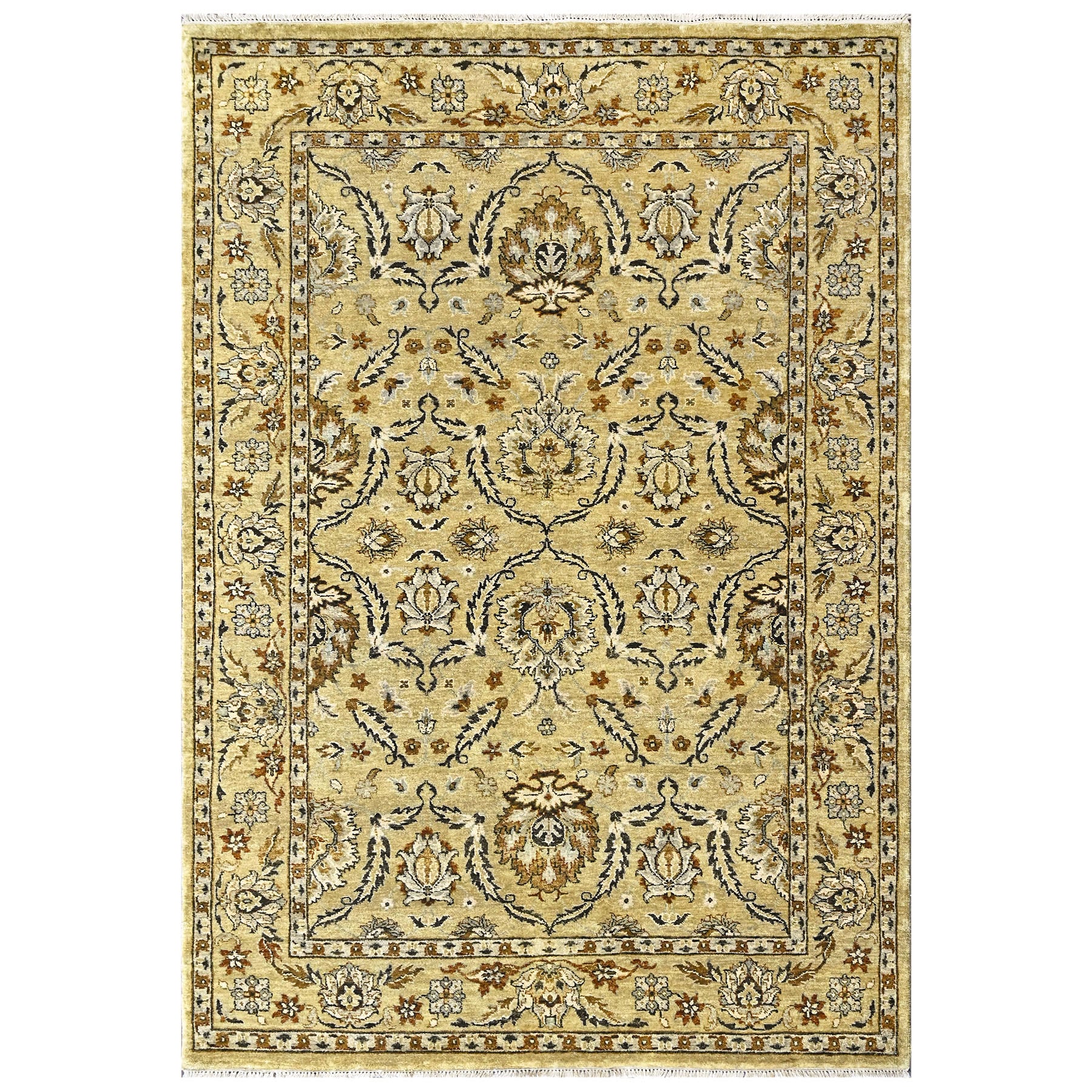
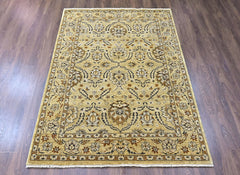
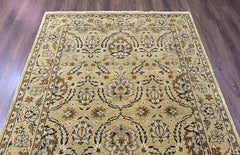
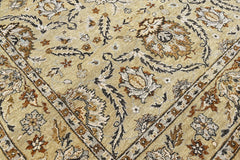
Story Behind the Art: Traditional rug design originates from some of the world’s earliest and most influential weaving regions, including Persia, Central Asia, Anatolia, India, and the Caucasus, where rugs were first created as practical textiles for warmth, prayer, and ceremonial use. Over centuries, these functional pieces developed into highly sophisticated works of decorative art, shaped by regional aesthetics yet unified by shared principles of symmetry, balance, and skilled craftsmanship. Traditional rugs are typically defined by structured layouts, featuring central medallions or evenly distributed floral fields enclosed within ornate borders. Common motifs include palmettes, vine scrolls, rosettes, and flowing arabesques, arranged in precise, rhythmic repetition. The color palettes favor rich yet grounded hues such as ivory, gold, indigo, rust, and deep browns, which contribute warmth and visual depth. Hand-knotting remains fundamental to traditional rug making, allowing for fine detail, durability, and pattern clarity, often enhanced by medium to low pile heights. Appreciated for their timeless beauty and enduring construction, traditional rugs continue to serve as foundational design elements in classic and transitional spaces, offering a sense of history, elegance, and lasting refinement.
Thanks for subscribing!
This email has been registered!
Don’t Miss Extra 5% Off on Your Order
Use code SALE5 at checkout and enjoy 5% off sitewide.


