


Before you leave...
Don’t Miss Extra 5% Off on Your Order
Extra 5% OFF
Use code SALE5 at checkout and enjoy 5% off sitewide.
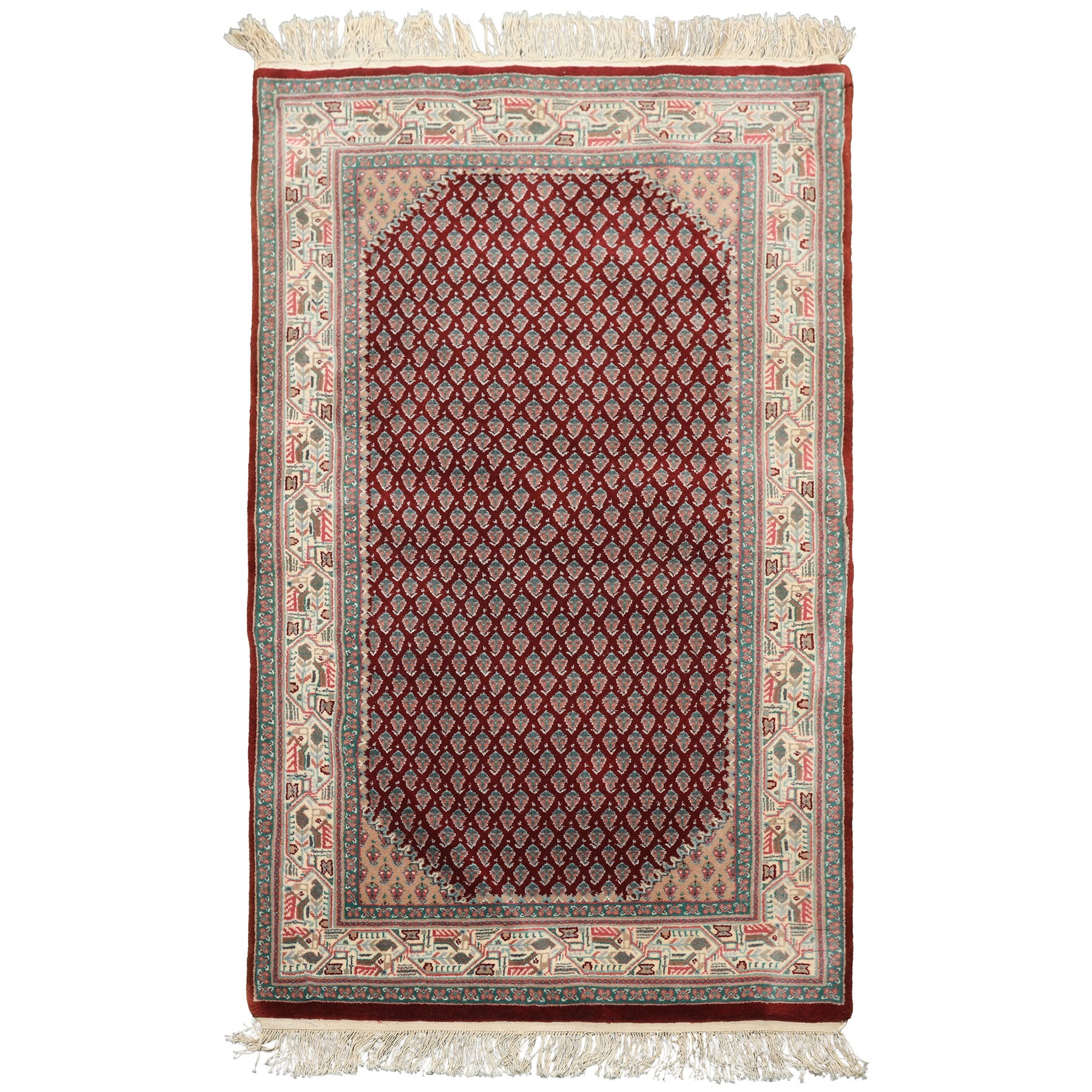
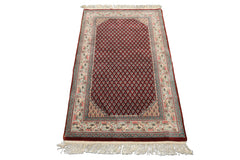
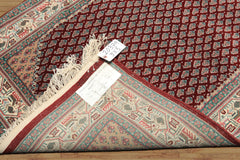

The boteh motif derived from the Farsi word often associated with paisley is one of the most recognizable patterns in textile design. Characterized by its pear- or teardrop-shaped form with a curved tip, it appears in variations ranging from highly intricate floral renderings to simplified geometric interpretations. Traditionally, the boteh is thought to symbolize the garden of paradise, with its flowing arch sometimes filled with blossoms and vegetal elements. Over time, scholars and artisans have attributed various meanings to the motif, suggesting connections to fertility, pine cones, cypress trees, leaves, flames, or even abstract representations of life energy. Its adaptability and symbolic richness have ensured its enduring presence in rugs and textiles across cultures.
Thanks for subscribing!
This email has been registered!
Don’t Miss Extra 5% Off on Your Order
Use code SALE5 at checkout and enjoy 5% off sitewide.


