


Before you leave...
Don’t Miss Extra 5% Off on Your Order
Extra 5% OFF
Use code SALE5 at checkout and enjoy 5% off sitewide.
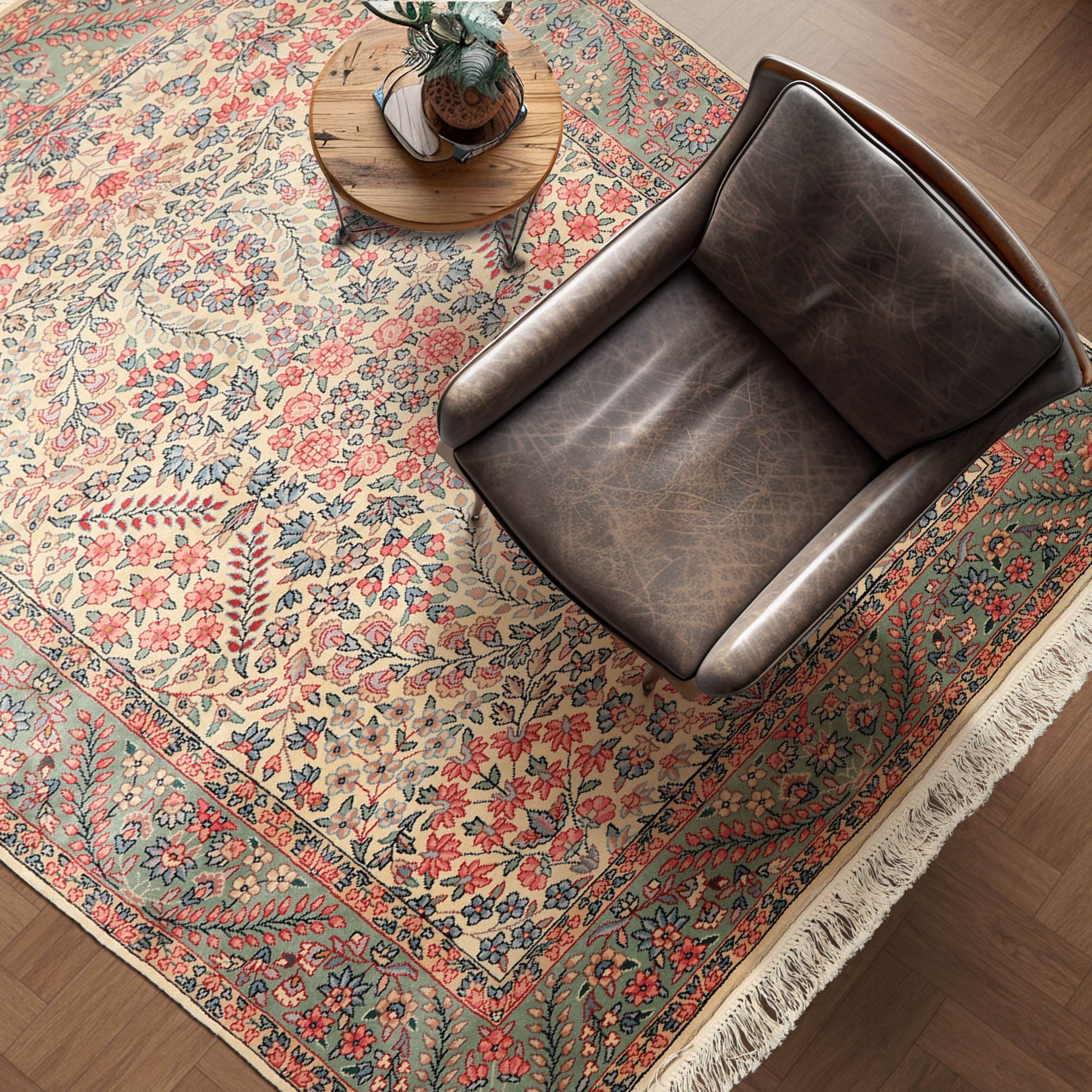


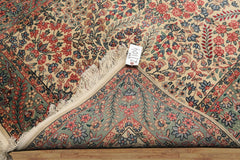

Story Behind the Art: Kerman rugs take their name from the historic city of Kerman in southeastern Iran, a region that has been a renowned center of fine rug production since the Safavid period, spanning from 1501 to 1732. Celebrated for their technical precision and artistic complexity, Kerman rugs are distinguished by their intricate designs, which often feature floral or architectural themes arranged around a central medallion, complemented by elaborately decorated borders. The range of patterns is exceptionally diverse, including Shah Abbasi medallion-and-corner layouts, garden and vase designs, tree of life compositions, hunting scenes, animal motifs, and all-over arrangements of boteh or floral elements. Among these, the vase and boteh patterns are particularly iconic, characterized by repeating motifs set against richly detailed backgrounds filled with blossoms and palmettes. Kerman rugs are also notable for their fine weave and extensive color palettes, often incorporating between 15 and 30 different shades within a single piece. The level of craftsmanship required is considerable, with many rugs taking over a year to complete, resulting in textiles that are both visually intricate and technically exceptional, embodying one of the most refined traditions in Persian weaving.
Thanks for subscribing!
This email has been registered!
Don’t Miss Extra 5% Off on Your Order
Use code SALE5 at checkout and enjoy 5% off sitewide.


