


Before you leave...
Don’t Miss Extra 5% Off on Your Order
Extra 5% OFF
Use code SALE5 at checkout and enjoy 5% off sitewide.
 ">
">
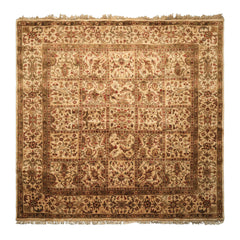
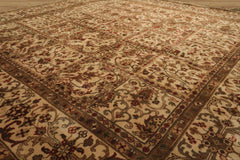
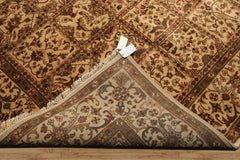

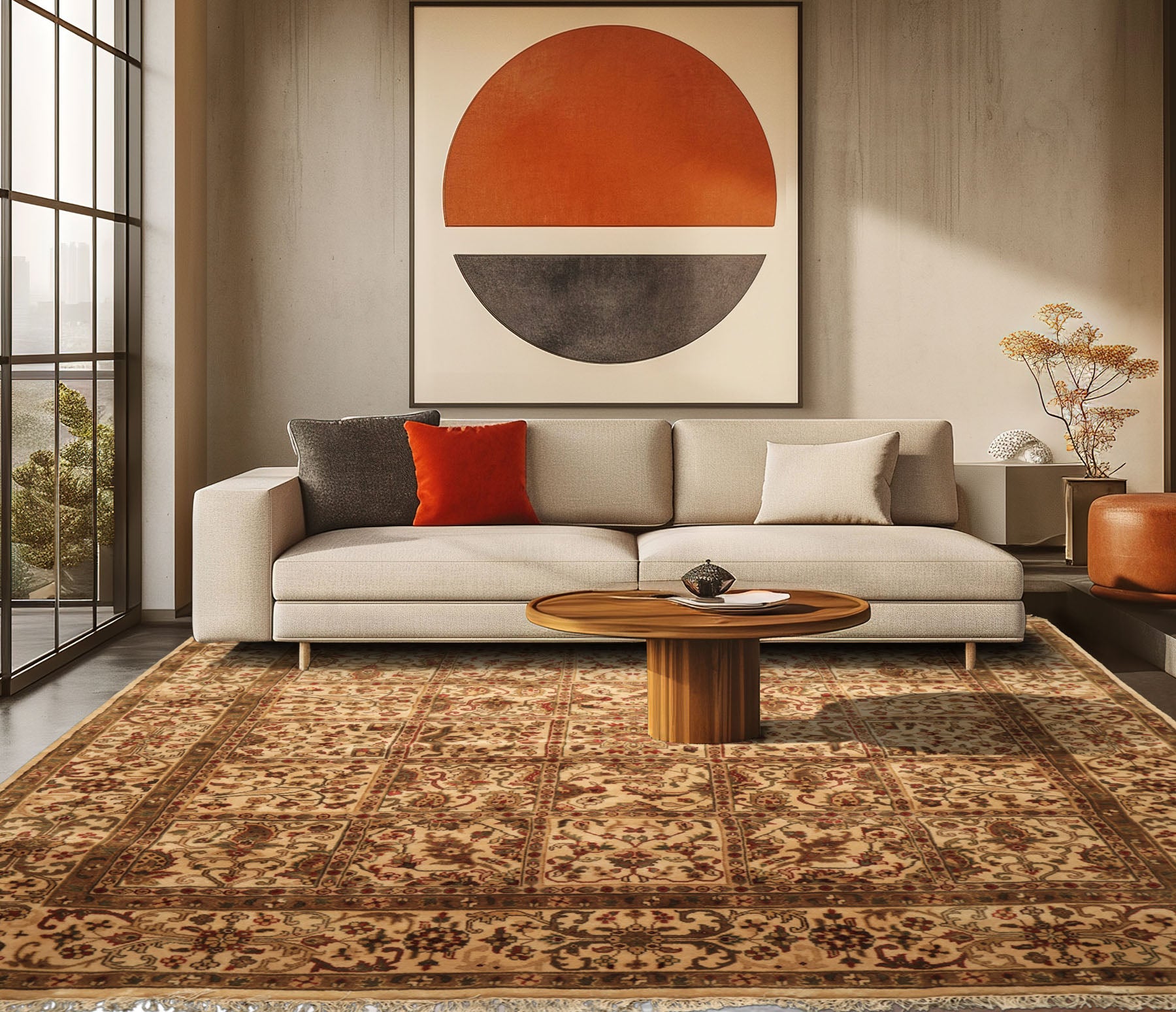
Story Behind the Art: The Indian rug tradition reached a defining artistic moment during the Mughal period, particularly under the patronage of Emperor Akbar in the late sixteenth century. During this era, major weaving centers were established in Agra, Delhi, and Lahore, laying the foundation for India’s global reputation in fine carpet production. Early Indian rugs drew heavily from Persian aesthetics, but by the seventeenth century, Indian artisans developed a distinct visual language of their own. Tighter knotting techniques, silk-like wool, richer color palettes, and more lifelike motifs became hallmarks of Indian rugs. This blend of technical mastery and creative evolution gave rise to rugs of enduring beauty, with Agra rugs standing out for their ability to merge Persian grandeur with unmistakable Indian artistry through floral tendrils, angular vines, scrolling leaves, and large, intricately detailed blossoms framed by commanding borders.
Thanks for subscribing!
This email has been registered!
Don’t Miss Extra 5% Off on Your Order
Use code SALE5 at checkout and enjoy 5% off sitewide.


