


Before you leave...
Don’t Miss Extra 5% Off on Your Order
Extra 5% OFF
Use code SALE5 at checkout and enjoy 5% off sitewide.
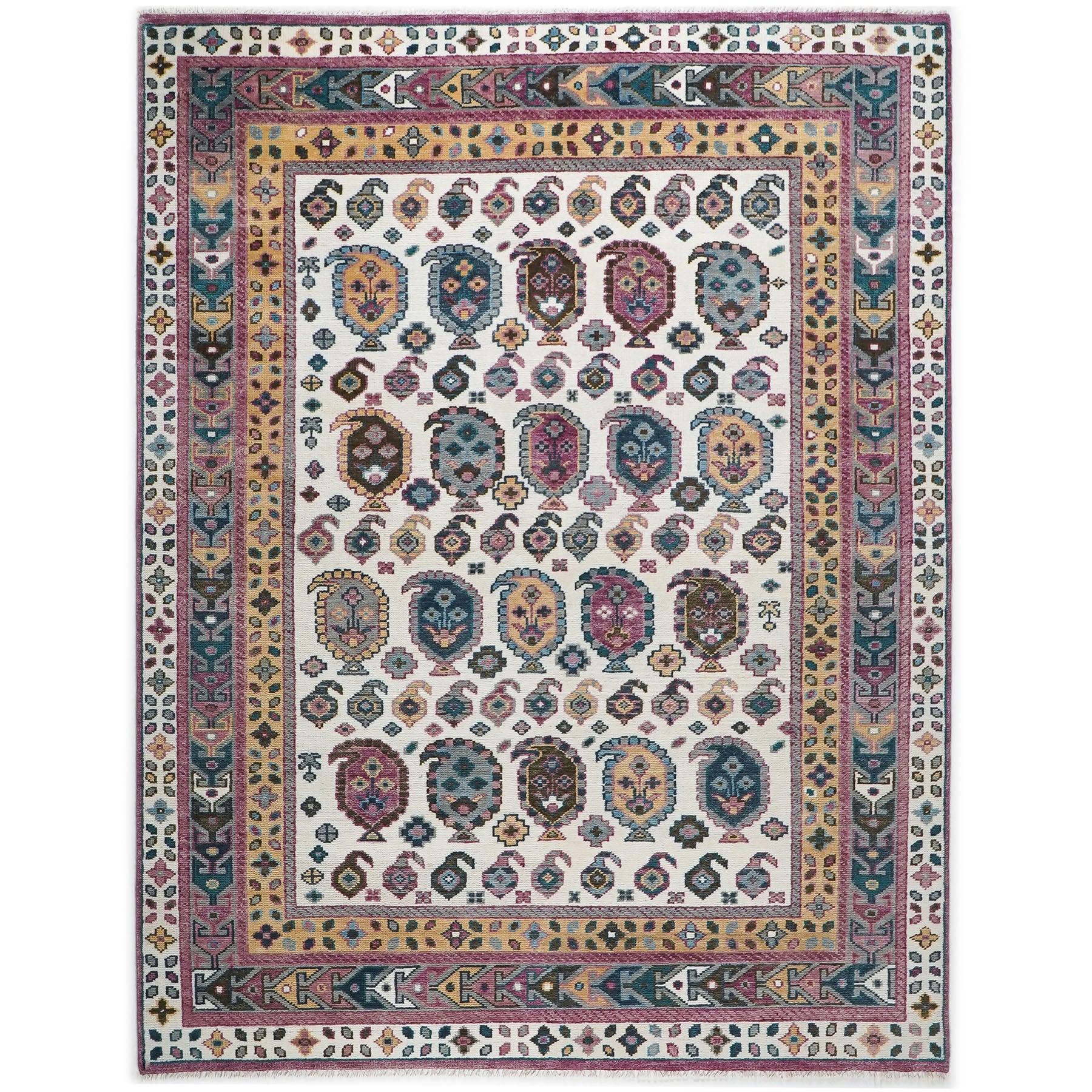
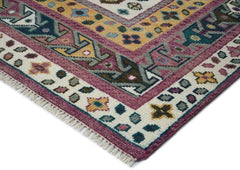
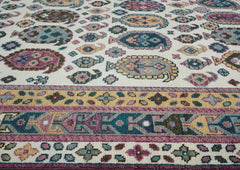
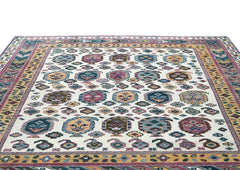
Story Behind the Art: Traditional rugs have a long history, originating thousands of years ago in the great weaving centers of Persia, Central Asia, India, Anatolia, and the Caucasus. Initially, these carpets served functional purposes, such as providing warmth, being used for prayer, and playing a role in ceremonies. Over time, these functional pieces evolved into beautiful works of art, each region developing its own unique style but all sharing a focus on symmetry, balance, and craftsmanship. Most traditional rugs feature structured designs, with central medallions or floral fields surrounded by decorative borders. Common motifs like palmettes, vine scrolls, rosettes, and arabesques (swirly vine and leaf designs) are arranged in repeating patterns that flow harmoniously. The colors in traditional rugs are rich yet grounded, typically using tones like ivory, gold, indigo, rust, and deep brown, adding warmth and depth to the design. Hand-knotting remains the key technique, allowing for fine details and durability, while the medium to low pile height preserves the clarity of the patterns. Known for their timeless beauty and sturdy construction, traditional rugs continue to play a central role in both classic and transitional interiors, providing a sense of history, refinement, and decorative richness that transcends ever-changing design trends.
Thanks for subscribing!
This email has been registered!
Don’t Miss Extra 5% Off on Your Order
Use code SALE5 at checkout and enjoy 5% off sitewide.


