


Before you leave...
Don’t Miss Extra 5% Off on Your Order
Extra 5% OFF
Use code SALE5 at checkout and enjoy 5% off sitewide.
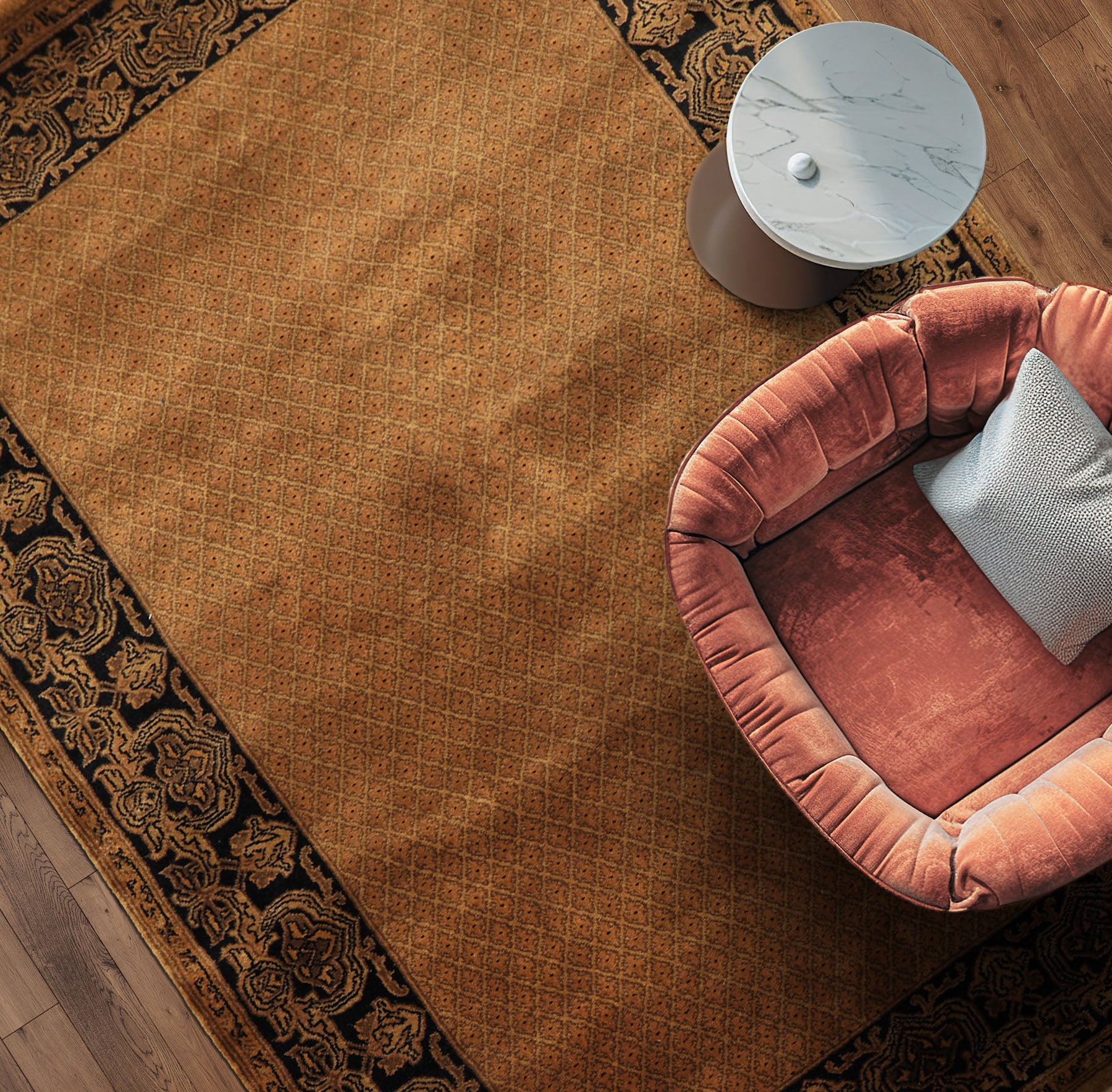
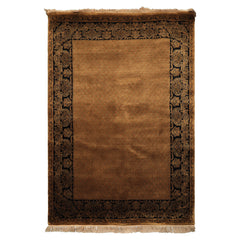
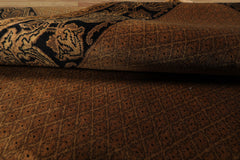
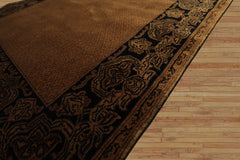
Story Behind the Art: Indo-Tibetan rugs represent a unique fusion of ancient Himalayan weaving traditions and skilled Indian craftsmanship. Although Tibetan rug aesthetics date back thousands of years, the modern Indo-Tibetan industry developed primarily after 1959, when Tibetan refugees brought their cultural weaving practices to Northern India. These rugs are distinguished by the Tibetan loop knot technique, in which yarn is wrapped around a rod and then cut to form a dense, resilient pile. This method produces a texture that differs from Persian and Turkish knots, offering greater durability and depth. Traditionally made from wool sourced from high-altitude Himalayan sheep, contemporary Indo-Tibetan rugs often incorporate premium New Zealand wool to enhance softness. Historically, these rugs served practical purposes such as bedding, seating mats, and saddle coverings before evolving into refined decorative pieces.
Thanks for subscribing!
This email has been registered!
Don’t Miss Extra 5% Off on Your Order
Use code SALE5 at checkout and enjoy 5% off sitewide.


