


Before you leave...
Don’t Miss Extra 5% Off on Your Order
Extra 5% OFF
Use code SALE5 at checkout and enjoy 5% off sitewide.
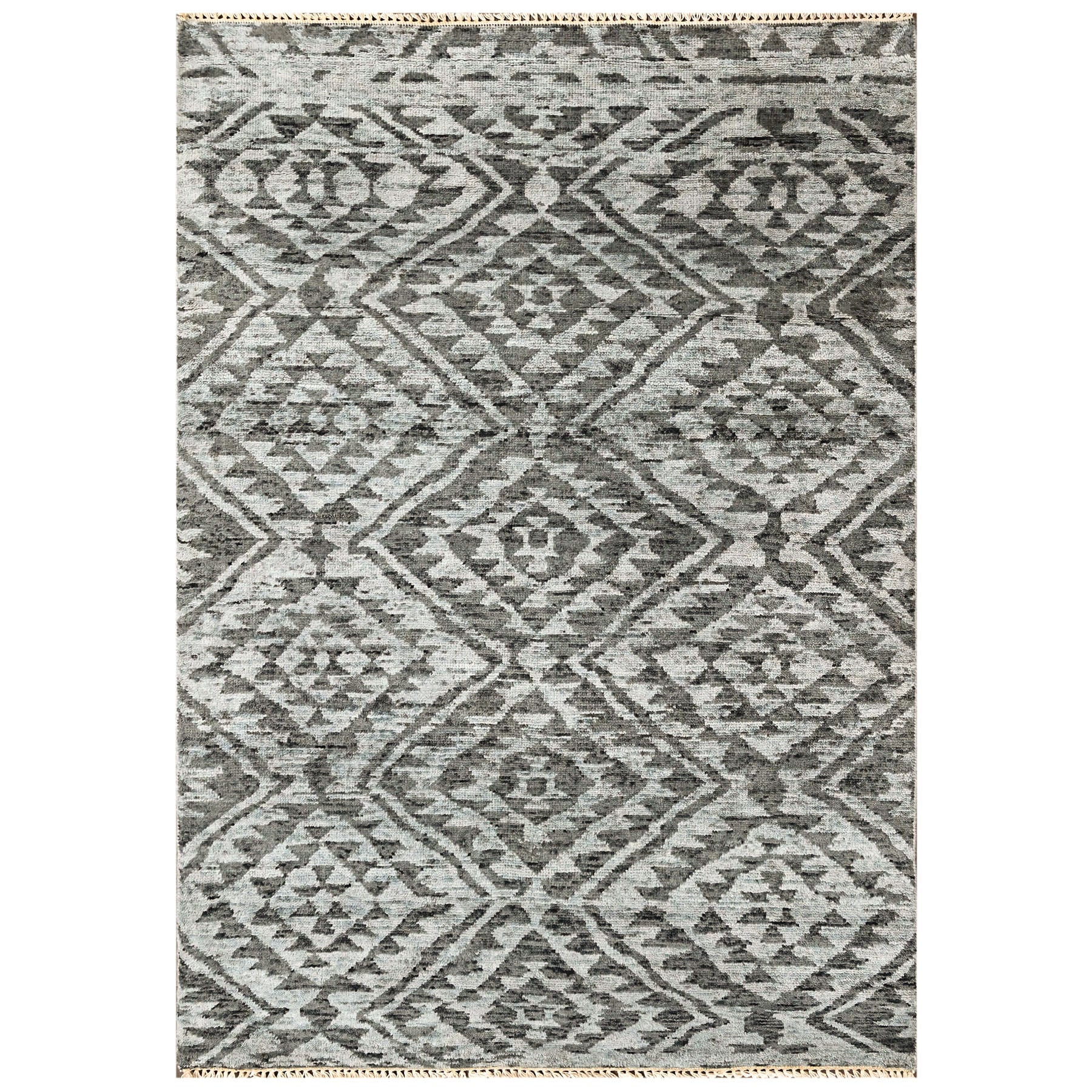
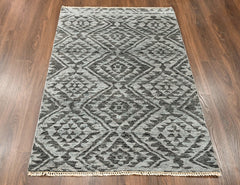
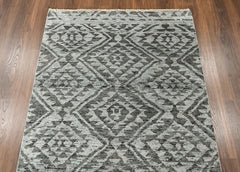
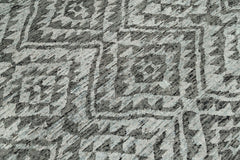
Story Behind the Art: Southwestern rug design is deeply influenced by the long-standing textile traditions of Indigenous cultures of the American Southwest, particularly the Navajo (Diné), Pueblo, and Hopi peoples, whose weaving heritage spans hundreds of years. Early Southwestern rugs were traditionally handwoven using hand-spun wool and colored with natural dyes sourced from plants, minerals, and insects, resulting in the earthy, organic color palettes that define the style. Geometry lies at the heart of Southwestern design, with patterns built from repeating diamonds, stepped motifs, zigzags, crosses, and linear forms that emphasize balance, rhythm, and symmetry. These motifs often carry symbolic meaning tied to nature, protection, and the surrounding landscape. Color is equally essential, drawing inspiration from desert terrain and open skies through tones such as clay red, sand, charcoal, ivory, indigo, and muted blues. In modern interpretations, these palettes have evolved into softer variations—washed grays, pale blues, and neutral blends—that preserve the spirit of the tradition while making Southwestern rugs more adaptable to contemporary interiors.
Thanks for subscribing!
This email has been registered!
Don’t Miss Extra 5% Off on Your Order
Use code SALE5 at checkout and enjoy 5% off sitewide.


