


Before you leave...
Don’t Miss Extra 5% Off on Your Order
Extra 5% OFF
Use code SALE5 at checkout and enjoy 5% off sitewide.
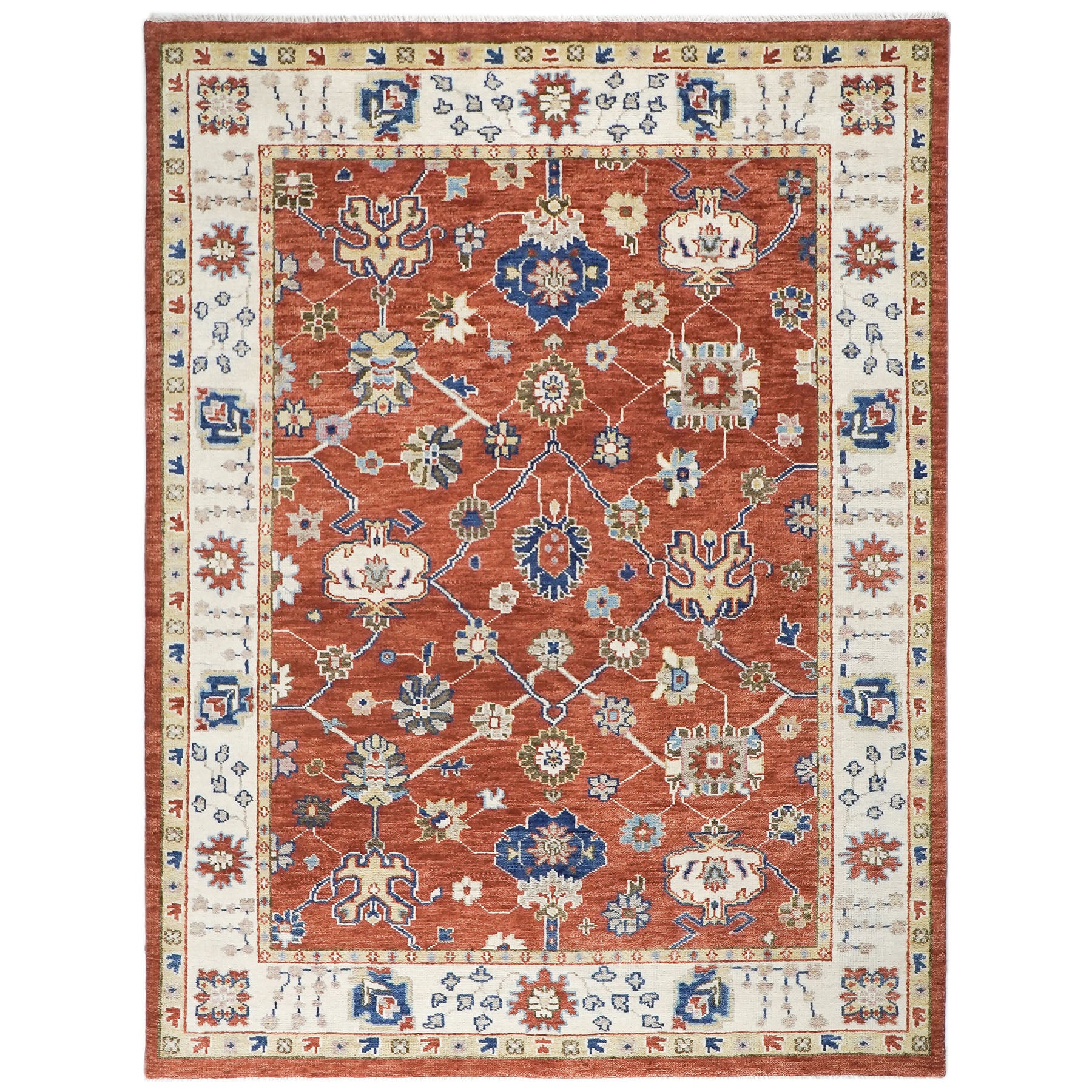
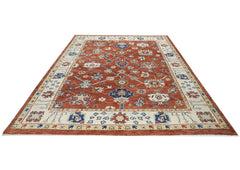


Story Behind the Art: Transitional rugs developed as a thoughtful bridge between traditional ornamentation and modern design, offering a softer, more relaxed interpretation of classical weaving. Influenced by Persian and European patterns, these rugs reinterpret familiar elements such as medallions, florals, and scrolling vines through simplified forms, lighter symmetry, or subtly aged finishes. The result is a design language that maintains structure while feeling approachable and versatile. Patterns are often less dense than traditional rugs, allowing negative space to enhance clarity and balance while still providing visual interest. Color palettes tend to favor muted neutrals, washed blues, soft grays, and earthy tones, making transitional rugs easy to layer into contemporary, classic, or mixed-style interiors. By blending decorative heritage with modern ease, transitional rugs offer depth and texture without formality, making them a popular choice for spaces that value both comfort and timeless design.
Thanks for subscribing!
This email has been registered!
Don’t Miss Extra 5% Off on Your Order
Use code SALE5 at checkout and enjoy 5% off sitewide.


