


Before you leave...
Don’t Miss Extra 5% Off on Your Order
Extra 5% OFF
Use code SALE5 at checkout and enjoy 5% off sitewide.
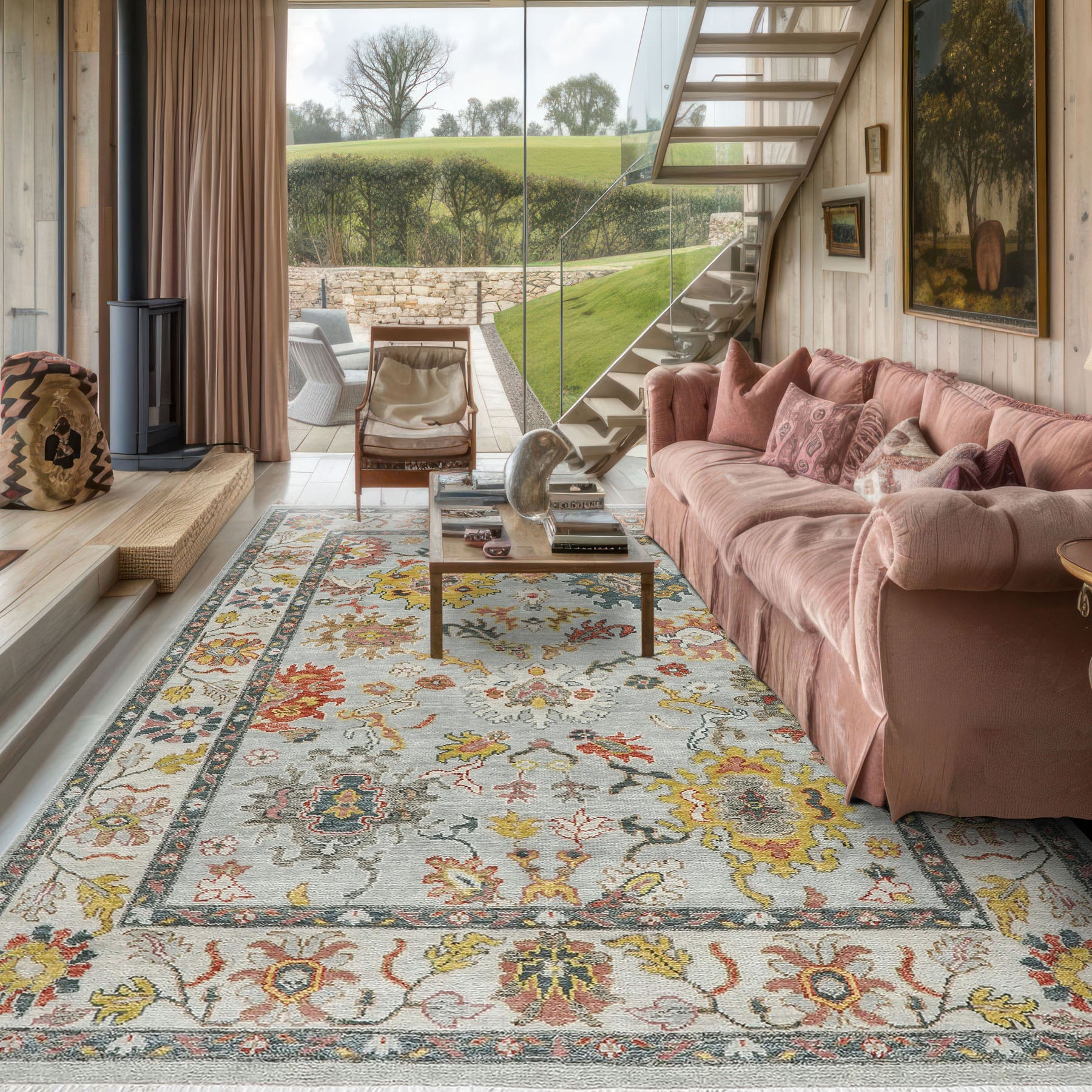

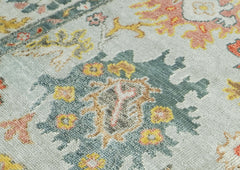

Story Behind the Art: The Arts and Crafts movement emerged in the 19th century as a response to the rise of mass-produced factory goods, emphasizing quality, originality, and the value of handmade craftsmanship. William Morris, one of the movement’s most influential figures, championed traditional handcrafts over machinery and introduced designs rooted in nature through furniture, textiles, wallpaper, and rugs. His work favored organic forms, featuring intertwined flowers, foliage, and fruit arranged in balanced yet informal compositions. These principles became defining characteristics of Arts and Crafts rugs, which continue to be celebrated for their bold simplicity and natural themes. Over time, the style expanded to include influences such as Art Nouveau with flowing, curvilinear floral patterns, Mission-style designs, geometric motifs inspired by Native American art, American Prairie aesthetics, and Caucasian weaving traditions. Together, these influences give Arts and Crafts rugs their distinctive character, marked by natural imagery, thoughtful color palettes, and enduring versatility that remains appealing in both traditional and modern interiors.
Thanks for subscribing!
This email has been registered!
Don’t Miss Extra 5% Off on Your Order
Use code SALE5 at checkout and enjoy 5% off sitewide.


