


Before you leave...
Don’t Miss Extra 5% Off on Your Order
Extra 5% OFF
Use code SALE5 at checkout and enjoy 5% off sitewide.
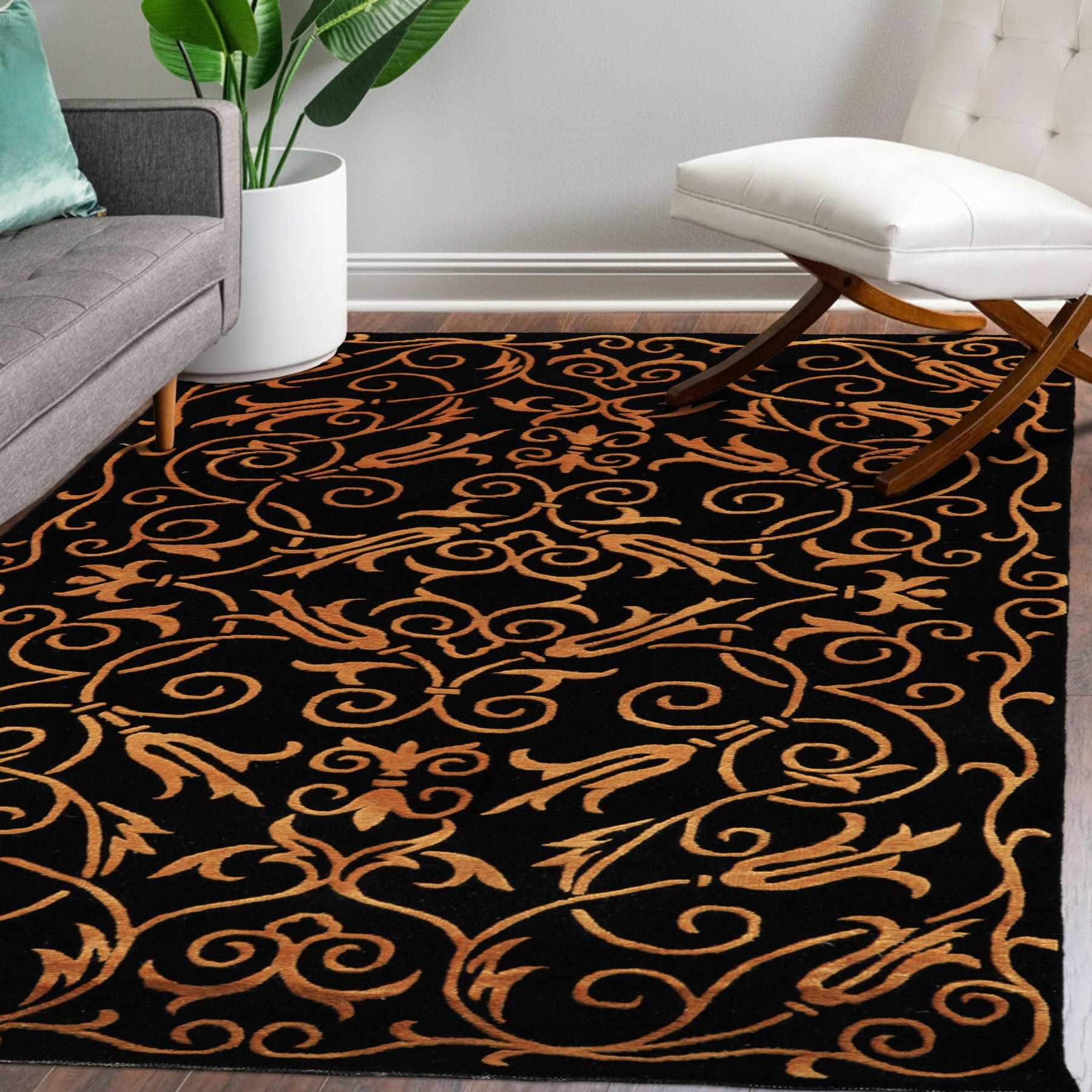
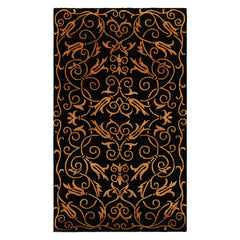
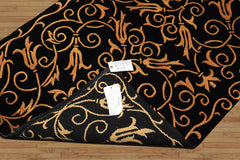
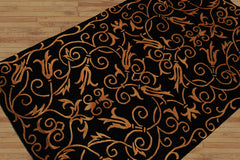
Story Behind the Art : Tibetan rug weaving has long served both practical and symbolic roles, with designs shaped by spiritual beliefs, natural landscapes, and cultural storytelling. Traditional patterns often incorporate sacred geometry, protective emblems, mythological figures, and organic forms, all expressed through rich color and tactile depth. After 1959, the displacement of Tibetan communities into Nepal and India marked a turning point, transforming rug making from a domestic craft into a thriving commercial art form. By the 1970s, Tibetan rugs had entered the global market, supported largely by Nepalese artisans who trained alongside Tibetan refugees and helped preserve the technique. These rugs are distinguished by the Tibetan knot, a unique slit-loop construction that creates exceptional pile density, softness, and texture. Today’s Tibetan and Indo-Tibetan rugs span a wide spectrum, from traditional floral and symbolic imagery to contemporary abstract compositions that reinterpret heritage through a modern design lens.
Thanks for subscribing!
This email has been registered!
Don’t Miss Extra 5% Off on Your Order
Use code SALE5 at checkout and enjoy 5% off sitewide.


