


Before you leave...
Don’t Miss Extra 5% Off on Your Order
Extra 5% OFF
Use code SALE5 at checkout and enjoy 5% off sitewide.
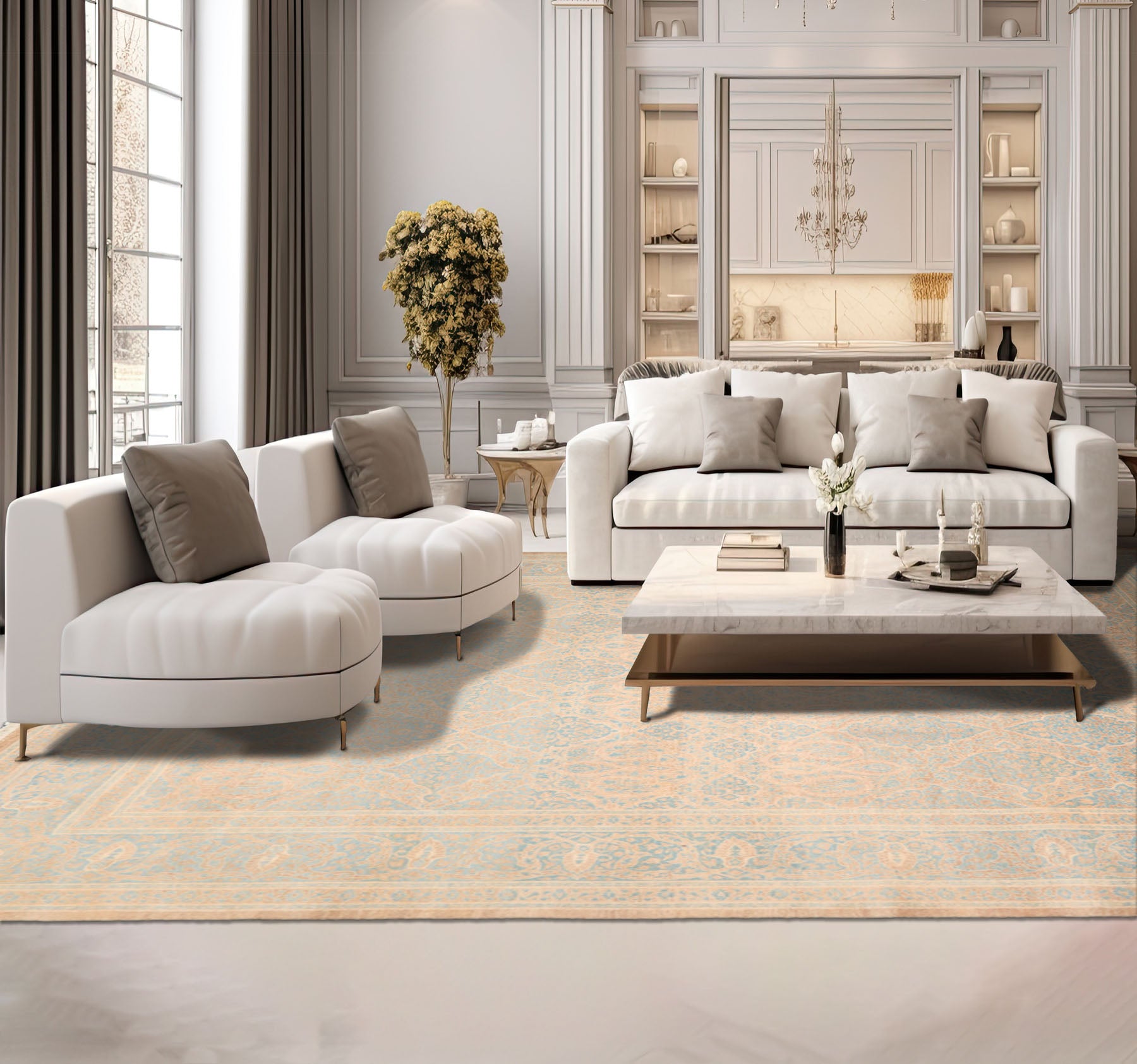
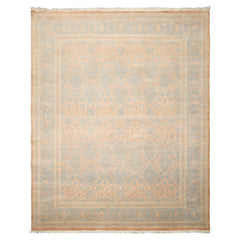


Story Behind the Art: Hand-knotted rug weaving represents Pakistan’s second-largest cottage and small-scale industry, with origins dating back as early as the 11th century during the Mughal era. Over generations, Pakistani artisans have developed the skill to produce a wide range of rug styles, drawing upon classic motifs such as guls, medallions, paisleys (botehs), intricate tracery, and a variety of geometric patterns arranged in countless combinations. Among these, Pak-Persian rugs stand out for their exceptional quality, most notably defined by a fine 16 × 18 knot structure that yields approximately 288 to 300 knots per square inch. This high knot density results in rugs that are remarkably dense, durable, and well suited for high-traffic living spaces. Pak-Persian rugs first gained prominence in the 1970s, when trade restrictions limited the availability of Iranian rugs in the United States, creating a demand for high-quality alternatives. Since then, they have remained highly sought after, valued for their superior weaving standards, long-lasting performance, and extensive range of design options.
Thanks for subscribing!
This email has been registered!
Don’t Miss Extra 5% Off on Your Order
Use code SALE5 at checkout and enjoy 5% off sitewide.


