


Before you leave...
Don’t Miss 5% Off on Your Order
5% OFF
Use code SALE5 at checkout and enjoy 5% off sitewide.
 ">
">
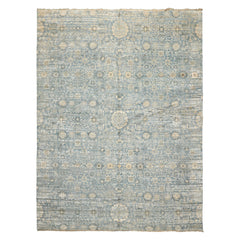
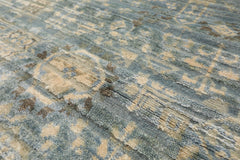
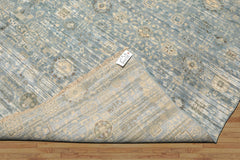

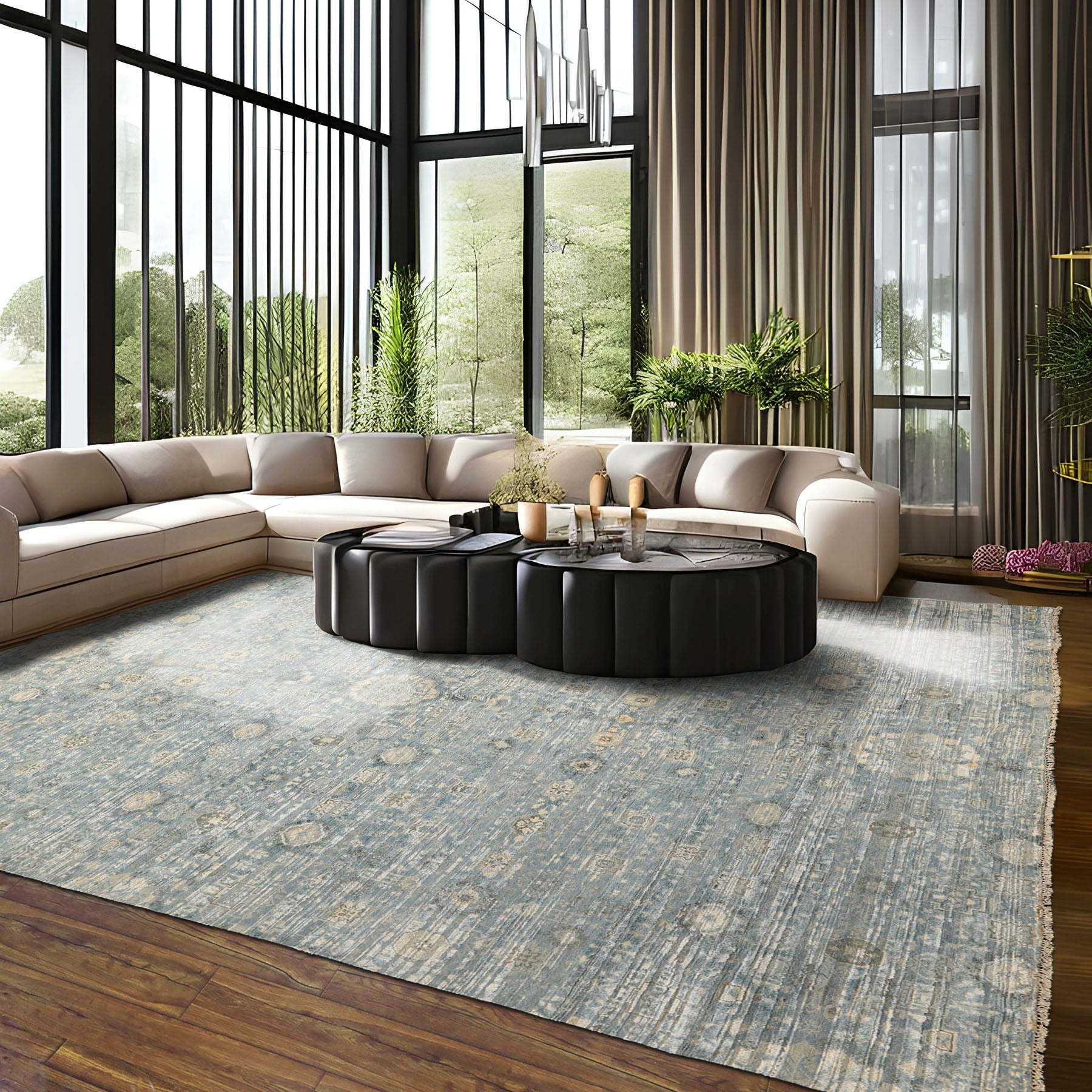
Story Behind the Art : Tibetan rug weaving has deep cultural roots, shaped over centuries by both daily life and spiritual expression. Early designs drew from geometric forms, sacred symbols, mythical creatures, and the surrounding landscape, resulting in rugs rich with symbolism and visual depth. A major shift occurred after 1959, when Tibetan weavers relocated to Nepal and India, transforming the craft from a local tradition into a globally recognized art form. By the 1970s, Tibetan rugs had gained international attention, supported by skilled Nepalese artisans who worked closely with Tibetan refugees to preserve and refine the techniques. Central to these rugs is the Tibetan knot, a distinctive slit-loop method that creates a dense, plush pile known for its softness and texture. Today’s Tibetan and Indo-Tibetan rugs span a wide spectrum, from classic motifs like snow lions and branching florals to abstract and modern compositions that reinterpret tradition for contemporary interiors.
Thanks for subscribing!
This email has been registered!
Don’t Miss 5% Off on Your Order
Use code SALE5 at checkout and enjoy 5% off sitewide.


