


Before you leave...
Don’t Miss Extra 5% Off on Your Order
Extra 5% OFF
Use code SALE5 at checkout and enjoy 5% off sitewide.
 ">
">
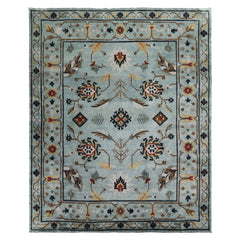
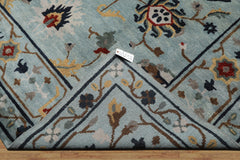
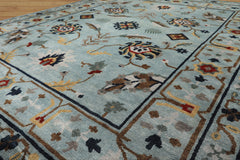

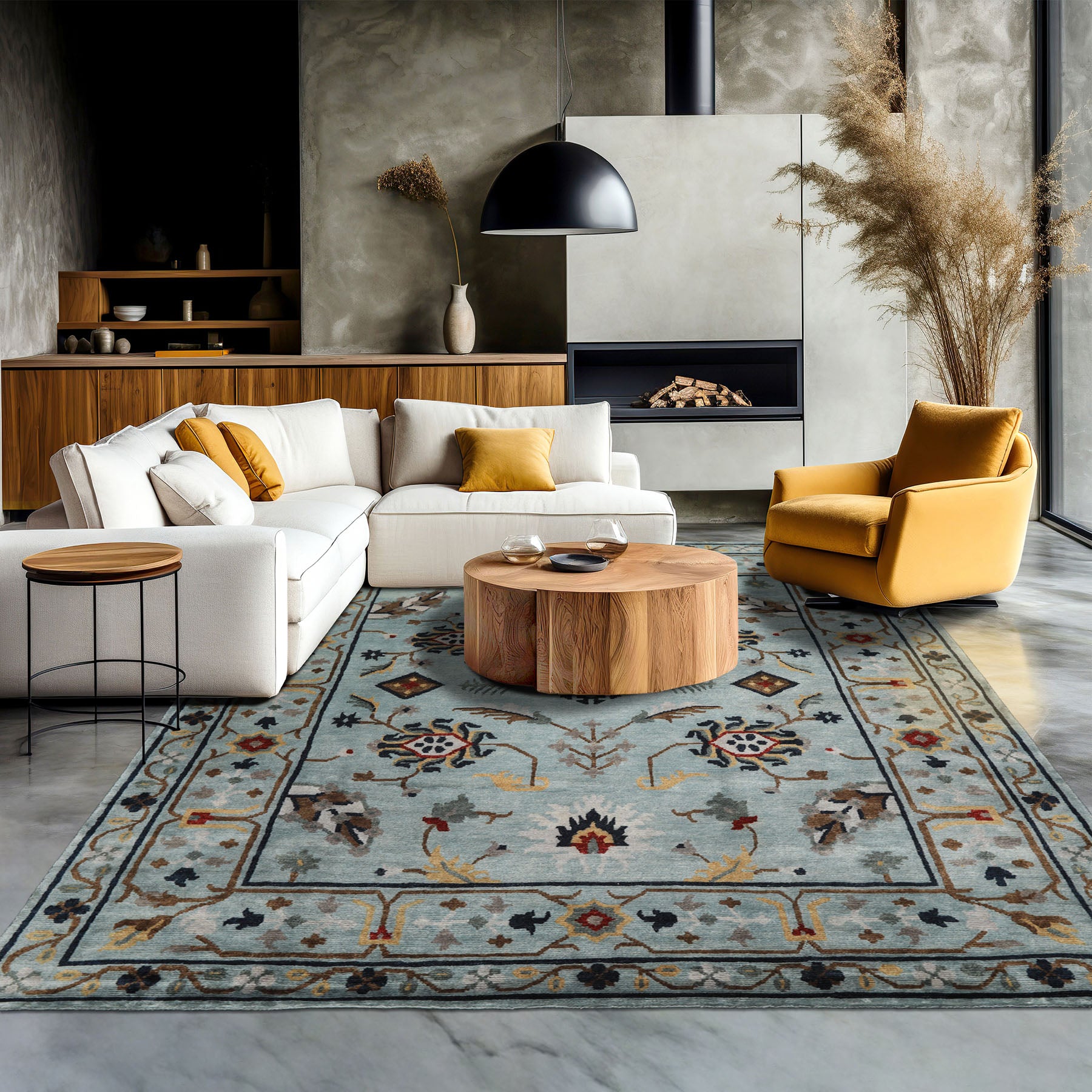
Story Behind the Art: For generations, Tibetan rugs have played both functional and decorative roles in daily life, incorporating geometric layouts, auspicious symbols, mythical and real animals, and elements drawn from the natural world. A pivotal transformation occurred after 1959, following the Chinese invasion of Tibet, when Tibetan refugees resettled in Nepal and India, triggering a major revival of Tibetan rug weaving. By the 1970s, these rugs gained international recognition, and Nepalese artisans—brought in to meet rising demand—became central to sustaining the tradition. Tibetan rugs are distinguished by the Tibetan slit-loop knot, a technique that produces a richly textured, dimensional pile. Today, designs found in Tibetan, Nepalese, and Indo-Tibetan rugs range from Western-influenced interpretations of classic symbols such as snow lions and branching florals to bold, modern, free-form compositions.
Thanks for subscribing!
This email has been registered!
Don’t Miss Extra 5% Off on Your Order
Use code SALE5 at checkout and enjoy 5% off sitewide.


